Roofing Installation & Replacement Salem & Eugene OR | Firu Construction LLC
Our Services
Roofing Services
From full roof replacements to new construction installs, Firu Construction delivers expert roofing with premium materials built to handle Oregon's demanding climate.
Why It Matters
Your Roof Is Your
First Line of Defense
Oregon's climate is relentless — heavy rainfall, wind, moss, and temperature swings put constant pressure on your roof. A compromised roof means water intrusion, structural damage, and costly repairs down the line.
At Firu Construction, we take waterproofing seriously. Every installation uses proper underlayment, ice & water shield in critical areas, and manufacturer-approved installation techniques to ensure your home stays dry for decades.
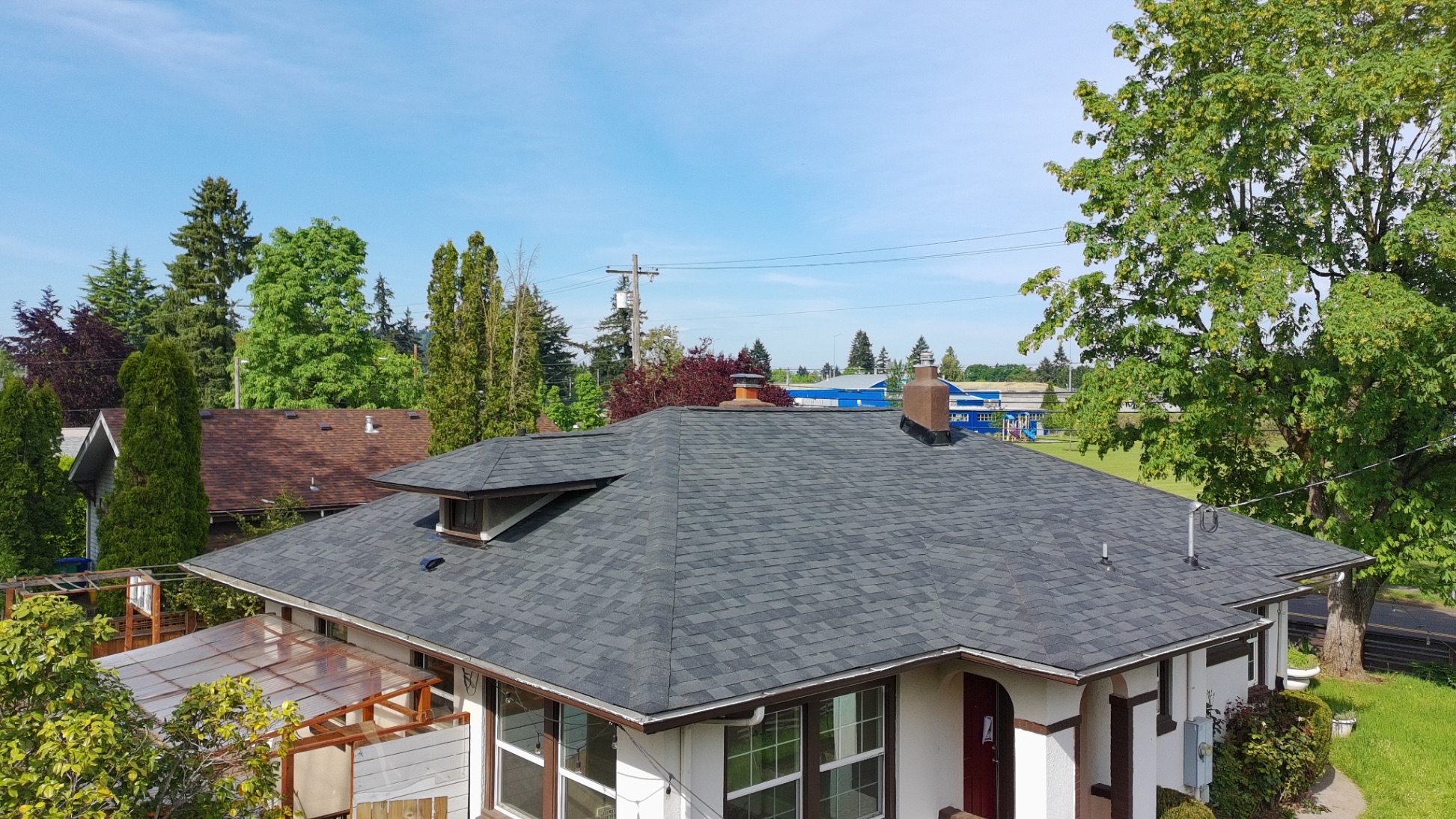
Shingle Roof Replacement — Salem, OR
Roofing Options
Choose the Right Roof
for Your Home
Most Popular Choice
Asphalt Shingles
Architectural asphalt shingles offer the best balance of performance, aesthetics, and value. We install premium brands including Malarkey and Owens Corning — both engineered for Oregon's wet climate with algae resistance and impact ratings.
- 30–50 year lifespans available
- Class 3 & 4 impact ratings
- Algae-resistant granules
- Wide color selection
- Excellent value
Premium Long-Term Investment
Metal Roofing
Metal roofing is the ultimate long-term investment for Oregon homeowners. We primarily install Taylor's Metal products — standing seam and exposed fastener panels that deliver 40–70 year lifespans with minimal maintenance.
- 40–70 year lifespan
- Exceptional rain & wind resistance
- Energy efficient
- Low maintenance
- Recyclable material
Roofing Sub-System
Attic Ventilation
A new roof is only as good as the system underneath it. Proper attic ventilation is one of the most overlooked — and most critical — components of a long-lasting roof. Without it, heat and moisture destroy your roof from the inside out.
Step 1 — Cool Air In
Intake Vents
Intake vents are installed at the soffits (eaves) — the lowest point of the roof. They draw cool, fresh outside air into the attic floor, creating the airflow that pushes hot, moist air upward and out.
- Continuous soffit vents run the full length of the eave
- Individual round or rectangular soffit vents spaced evenly
- Must be kept clear of insulation to function
- Provide 50% of total required ventilation area
Step 2 — Hot Air Out
Exhaust Vents
Exhaust vents sit at the ridge or upper roof — the highest point. Hot, moisture-laden air naturally rises and exits here, completing the convective loop that keeps your attic dry and temperature-stable.
- Ridge vents run continuously along the peak — most effective
- Box vents (static vents) installed near the ridge line
- Power attic ventilators for high-demand situations
- Provide 50% of total required ventilation area
Oregon Building Code
The 1:150 Ventilation Rule
Building codes require 1 square foot of net free ventilation area for every 150 square feet of attic floor space. This is split evenly — half at the intake (soffits), half at the exhaust (ridge). An imbalanced system — too much exhaust, not enough intake, or vice versa — creates negative pressure that pulls conditioned air from your living space into the attic, dramatically increasing moisture and energy costs.
At Firu Construction, we calculate the correct ventilation balance for every roofing project before we start — not as an afterthought.
What Happens Without Proper Ventilation
Heat Buildup
In summer, an unventilated attic can reach 150°F+. This extreme heat bakes shingles from below, causing them to curl, crack, and fail years ahead of schedule — voiding manufacturer warranties.
Moisture Trapping
Warm, humid air from cooking, showers, and breathing rises into the attic. Without exhaust vents, it has nowhere to go. It condenses on the cold roof decking — especially in Oregon's wet winters — soaking the wood.
Attic Mold Growth
Mold needs three things: moisture, warmth, and organic material. A poorly ventilated attic provides all three. Black mold and wood rot can develop within months, spreading through insulation and framing — requiring costly remediation.
Roof Deck Rot
Repeated moisture cycles cause OSB and plywood roof decking to swell, delaminate, and rot. By the time you see sagging or soft spots, the structural damage is already extensive and expensive to repair.
Ice Dams
In colder Oregon winters, heat escaping through an unventilated roof melts snow at the peak. That water refreezes at the cold eaves, forming ice dams that force water under shingles and into your home's interior.
Higher Energy Bills
A superheated attic radiates heat down into your living space, forcing your AC to work harder in summer. Proper ventilation keeps attic temperatures closer to outside air, reducing cooling loads significantly.
Oregon Climate Note
Oregon's Willamette Valley averages over 40 inches of rain per year, with coastal areas seeing 60–80 inches. This persistent humidity makes attic ventilation more critical here than in most of the country. We've seen attics in Salem and Eugene develop significant mold within a single wet season when ventilation was inadequate. Every Firu Construction roofing project includes a ventilation assessment — we won't install a new roof over a system that will compromise it.
Why Firu Construction
Our Roofing Process
Proper Installation
Every roof is installed to manufacturer specs with correct underlayment, flashing, and ventilation — no shortcuts.
Premium Materials
We use only top-rated materials from trusted manufacturers. Your roof is only as good as what goes under the shingles.
Clean & Efficient
We respect your property. Thorough cleanup after every job, and we stay on schedule so your home is protected quickly.
Real Projects
Recent Roofing Work
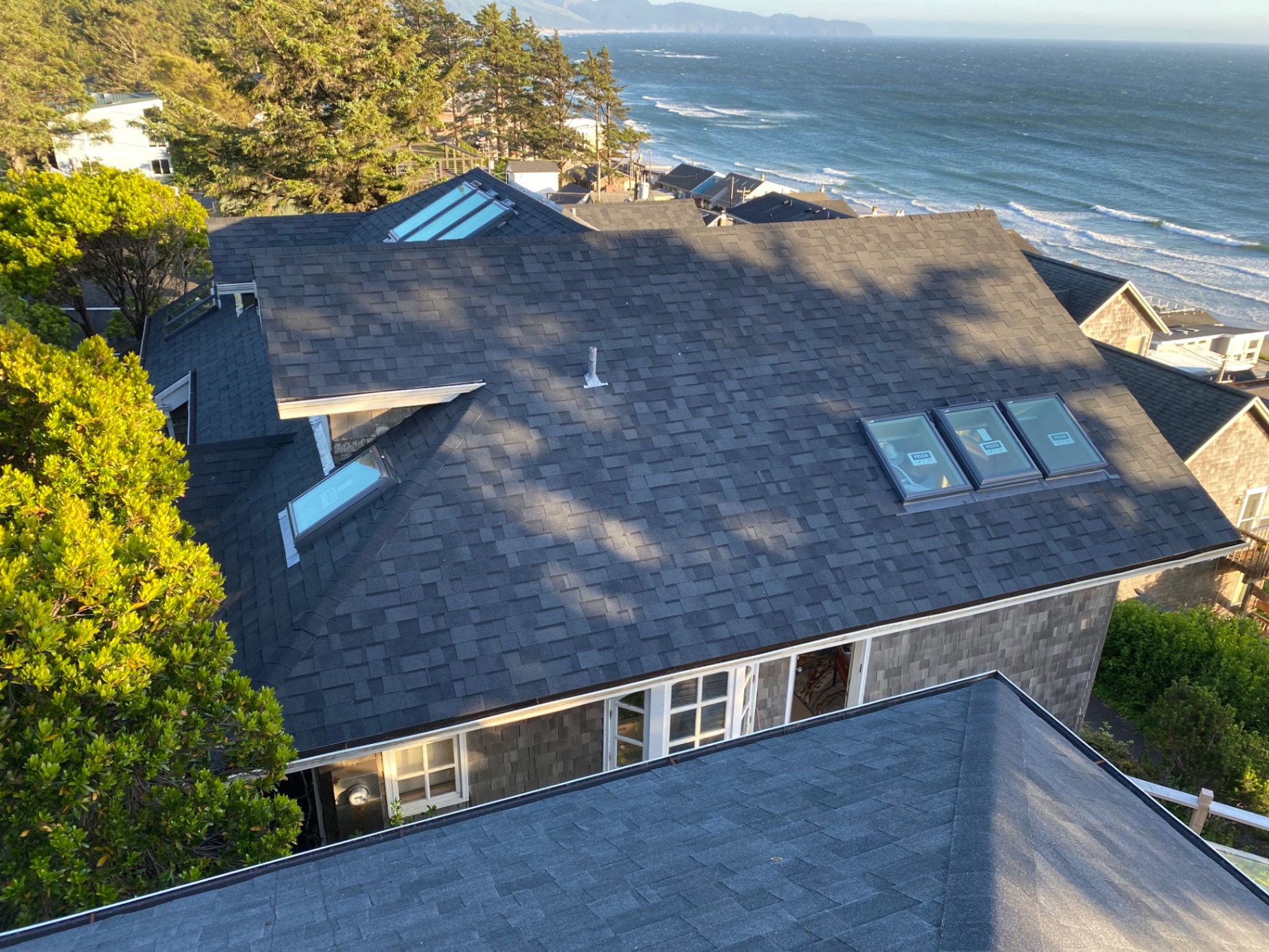
Shingle Roof — Newport, OR
Shingle Replacement — Salem, OR
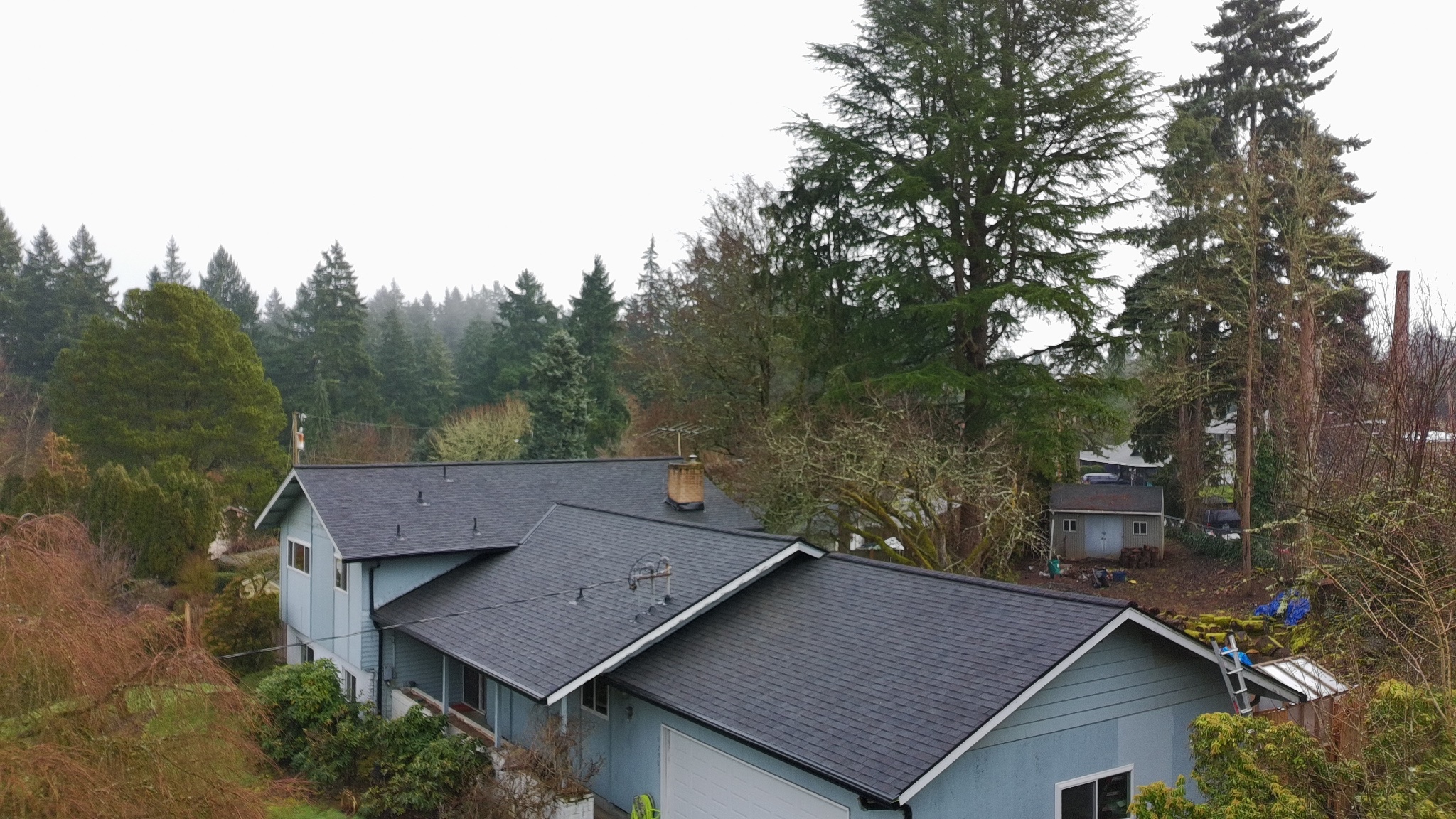
Shingle Roof — Tillamook, OR
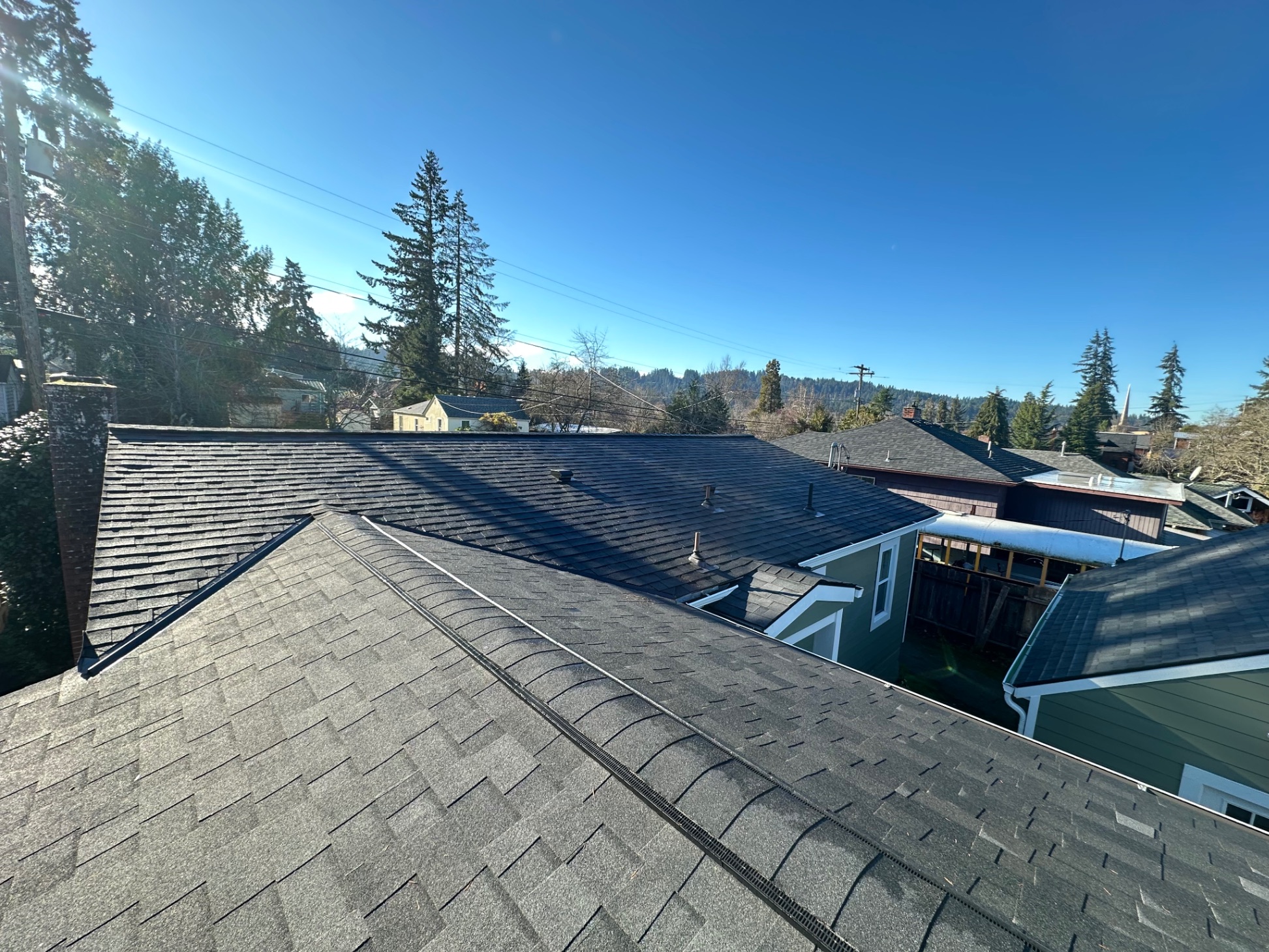
Shingle Detail — Newport, OR
Ready for a New Roof?
Contact us today for a free, no-obligation roofing estimate. Serving Salem, Eugene, Portland and surrounding Oregon communities.